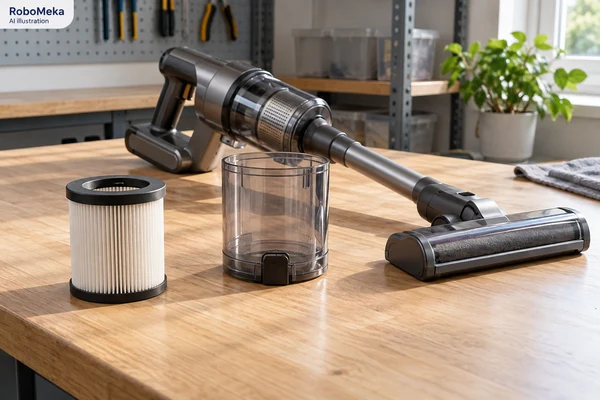
The short answer
For B2B sourcing, 2-in-1 handheld vacuum should be defined by application, configuration and evidence rather than by the label alone. Treat cordless stick vacuum cleaner, rechargeable upright vacuum and convertible handheld vacuum as search language until the quotation identifies the hardware, software, accessories, limits and service responsibilities. Compare only configurations tested for the same customer task.
Introduction
Buyers often reach the same product through different search terms. For this topic, those terms include cordless stick vacuum cleaner, rechargeable upright vacuum, convertible handheld vacuum, lightweight floor vacuum, bagless cordless vacuum. The words are useful for discovery, but they do not establish a common specification. A quotation becomes comparable only when it identifies what the product does, where it is intended to work, what is included and how the result will be verified. The documented path connects product application, factory testing, shipment inspection and installation preparation.
This guide is written for importers, distributors, private-label brands and product teams evaluating vacuum cleaners and hard-floor washers. It uses a practical sourcing boundary: a retail range that must cover full-floor cleaning, stairs, furniture and quick vehicle clean-up without pretending one format performs every task equally. RoboMeka does not claim that every configuration described here is available in every model. The correct approach is to match customer requirements to an identified platform, sample and evidence pack.
For B2B sourcing, **2-in-1 handheld vacuum** should be defined by application, configuration and evidence rather than by the label alone. Treat cordless stick vacuum cleaner, rechargeable upright vacuum and convertible handheld vacuum as search language until the quotation identifies the hardware, software, accessories, limits and service responsibilities. Compare only configurations tested for the same customer task.
This distinction is especially important in an international RFQ because familiar category words can carry different assumptions across sales channels. For 2-in-1 handheld vacuum, connect main body and detachable handheld architecture directly to tool-change effort with ordinary users in the approval record.
Translate product descriptions into a controlled scope
The target phrase **2-in-1 handheld vacuum** belongs to a semantic cluster rather than a single isolated keyword. Buyers may also use cordless stick vacuum cleaner, rechargeable upright vacuum, convertible handheld vacuum, lightweight floor vacuum, bagless cordless vacuum. Search engines can understand those relationships, but procurement teams still need to ask whether two phrases describe the same physical platform, an optional bundle or a materially different appliance.
The first control is a terminology sheet. Give every term a plain-language definition, list the function it implies in your market, and state what it does not imply. For example, words such as smart, automatic, all-in-one, commercial or lightweight are not complete acceptance criteria. The rechargeable upright vacuum decision should therefore preserve evidence for floor head and wand interface and runtime in each declared operating mode.
The official European Commission vacuum-cleaner product scope and EUR-Lex vacuum-cleaner definitions show why definitions and model-specific instructions matter. Review battery and charger arrangement again whenever a change could alter bin emptying and filter refitting.
Start with the customer application
Write the application before choosing a sample. For this decision, assume a retail range that must cover full-floor cleaning, stairs, furniture and quick vehicle clean-up without pretending one format performs every task equally. Add the destination market, user profile, environment, frequency of use, likely debris or surface conditions, storage, maintenance skill and service channel. These details determine whether a feature is valuable and whether the operating burden is acceptable.
A distributor should also separate the purchaser, installer, daily user and service technician. They may value different outcomes. The purchaser may focus on price and claims, while the service team cares about diagnosis, wear parts and recovery from common errors. In this application, keep included upholstery and crevice tools and drop, latch and connector durability review visible to both sourcing and service teams.
Use the existing cordless stick vacuum product page, wet and dry floor cleaner product page and RoboMeka OEM and ODM workflow as starting points for product and project discussions. Resolve uncertainty about storage and charging method before approving claims related to full-floor pickup on representative hard floor and carpet.
Build a quote-ready requirements brief
The following fields convert broad product language into a supplier brief. A useful 2-in-1 handheld vacuum file links finished-product weight and balance, handheld use on upholstery and vehicle gaps and the named release owner.
| No. | Requirement field | What the buyer should record |
|---|---|---|
| 1 | main body and detachable handheld architecture | State the requested configuration, acceptable evidence and owner of the final decision. |
| 2 | floor head and wand interface | State the requested configuration, acceptable evidence and owner of the final decision. |
| 3 | battery and charger arrangement | State the requested configuration, acceptable evidence and owner of the final decision. |
| 4 | included upholstery and crevice tools | State the requested configuration, acceptable evidence and owner of the final decision. |
| 5 | storage and charging method | State the requested configuration, acceptable evidence and owner of the final decision. |
| 6 | finished-product weight and balance | State the requested configuration, acceptable evidence and owner of the final decision. |
For main body and detachable handheld architecture, record the customer need and the product response separately. For floor head and wand interface, identify interfaces and dependent parts. For battery and charger arrangement, state operating conditions rather than copying a maximum claim. Continue the same discipline through included upholstery and crevice tools, storage and charging method, finished-product weight and balance.
This structure also clarifies customization. Logo, color and carton artwork are visible, but configuration control, firmware ownership, instructions, labels, accessory fit and service parts often create more project risk. Classify every request as existing, configurable, validation-required or new development. For 2-in-1 handheld vacuum, connect main body and detachable handheld architecture directly to tool-change effort with ordinary users in the approval record.
Compare supplier proposals on the same baseline
Normalize the quotation before comparing price. The baseline should include the complete appliance, battery or power arrangement where applicable, charger or supply, accessories, consumables, packaging, manuals, software service, test evidence, spare parts, warranty boundary and delivery terms. The convertible handheld vacuum decision should therefore preserve evidence for floor head and wand interface and runtime in each declared operating mode.
Ask the supplier to identify the platform revision and which claims have model-specific support. A test report for a visually similar model is not automatically transferable. The buyer should review product identity, component differences, software version, accessories and test conditions before accepting relevance. Review battery and charger arrangement again whenever a change could alter bin emptying and filter refitting.
Common comparison failures deserve explicit controls:
| No. | Comparison risk | Better buyer response |
|---|---|---|
| 1 | calling a detachable motor body a complete handheld kit without the right tools | Convert the wording into a measurable requirement or an explicit limitation. |
| 2 | comparing gross weight without handle load or balance | Convert the wording into a measurable requirement or an explicit limitation. |
| 3 | quoting runtime without the tested head and mode | Convert the wording into a measurable requirement or an explicit limitation. |
| 4 | mixing accessory compatibility across unverified platforms | Convert the wording into a measurable requirement or an explicit limitation. |
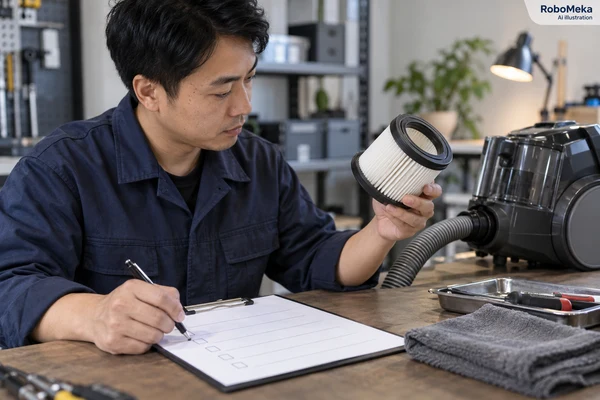
Run a repeatable sample evaluation
Sample evaluation should answer the customer questions that drive returns, reviews and service calls. Create a protocol before receiving samples, use representative conditions and retain the exact setup. In this application, keep included upholstery and crevice tools and drop, latch and connector durability review visible to both sourcing and service teams.
| No. | Evaluation activity | Minimum record |
|---|---|---|
| 1 | full-floor pickup on representative hard floor and carpet | Record setup, configuration, conditions, result and any deviation before deciding. |
| 2 | handheld use on upholstery and vehicle gaps | Record setup, configuration, conditions, result and any deviation before deciding. |
| 3 | tool-change effort with ordinary users | Record setup, configuration, conditions, result and any deviation before deciding. |
| 4 | runtime in each declared operating mode | Record setup, configuration, conditions, result and any deviation before deciding. |
| 5 | bin emptying and filter refitting | Record setup, configuration, conditions, result and any deviation before deciding. |
| 6 | drop, latch and connector durability review | Record setup, configuration, conditions, result and any deviation before deciding. |
Test more than one task sequence when behavior changes with loading, battery state, maintenance or software. Resolve uncertainty about storage and charging method before approving claims related to full-floor pickup on representative hard floor and carpet.
The final sample report should distinguish observation, measurement, user preference and unresolved risk. A number without method is weak evidence; a preference from one person is not a universal ergonomic result; and one passed unit is not proof of a production distribution. A useful 2-in-1 handheld vacuum file links finished-product weight and balance, handheld use on upholstery and vehicle gaps and the named release owner.
Send your requirements to RoboMeka for a configuration discussion built around your market, application, quantity range and evidence priorities.
Connect approval to factory testing and change control
Factory testing should verify selected critical characteristics at appropriate stages, not attempt to repeat every qualification test on every unit. Link each production check to a released requirement, method, equipment, sampling rule, record and reaction plan. For 2-in-1 handheld vacuum, connect main body and detachable handheld architecture directly to tool-change effort with ordinary users in the approval record.
Use an identified golden sample or approved baseline alongside drawings, bills of material, firmware references, artwork and instructions. Define which changes require notice and which require new samples or evidence. The lightweight floor vacuum decision should therefore preserve evidence for floor head and wand interface and runtime in each declared operating mode.
Experience from cleaning-appliance projects shows that small interface changes can create large field problems. A latch tolerance can change sealing; a brush revision can change pickup and noise; an app update can alter onboarding; and a packaging adjustment can damage an accessory. Review battery and charger arrangement again whenever a change could alter bin emptying and filter refitting.
Plan shipment inspection and release evidence
Shipment inspection should confirm identity, workmanship, bundle completeness, labeling, packaging and selected functional checks against the approved baseline. Define the sampling plan and defect classes before results arrive. In this application, keep included upholstery and crevice tools and drop, latch and connector durability review visible to both sourcing and service teams.
Check cartons, accessories, model and serial identification, destination-market labels, manuals, chargers or supplies, visible condition and the agreed quick functions. Record software or firmware identity when it matters to the approved configuration. Resolve uncertainty about storage and charging method before approving claims related to full-floor pickup on representative hard floor and carpet.
Pre-shipment inspection is one release layer, not a replacement for process control or product qualification. Keep factory testing records, deviation approvals and corrective actions connected to the shipment. A useful 2-in-1 handheld vacuum file links finished-product weight and balance, handheld use on upholstery and vehicle gaps and the named release owner.
Prepare installation, onboarding and customer handover
Installation preparation begins before the goods ship. For this topic, the handover should explain main body and detachable handheld architecture, floor head and wand interface, battery and charger arrangement in customer language. State site prerequisites, supported conditions, first-use steps, maintenance intervals, prohibited uses and the route for help. Connected or installed products also need account, map, network or ownership-transfer steps where relevant.
Create separate material for installers, end users and service teams when their tasks differ. A short consumer quick-start cannot replace a dealer commissioning record, and a factory service drawing should not be presented as a household instruction. For 2-in-1 handheld vacuum, connect main body and detachable handheld architecture directly to tool-change effort with ordinary users in the approval record.
Use a hypothetical handover rehearsal before launch. Ask someone outside the project to unpack, identify parts, start the product, complete routine maintenance and recover from a common error using only the proposed materials. The bagless cordless vacuum decision should therefore preserve evidence for floor head and wand interface and runtime in each declared operating mode.
Model total cost and after-sales responsibility
Unit price is only one part of the sourcing decision. Model accessories, consumables, batteries where applicable, filters, brushes, wear parts, software or connectivity costs, installation labor, warranty freight, diagnostic time, replacement policy and end-of-life handling. Review battery and charger arrangement again whenever a change could alter bin emptying and filter refitting.
Set an initial spare-parts list using expected wear, failure consequence, lead time and installed base. Require part identification that prevents similar-looking but incompatible items from being mixed. In this application, keep included upholstery and crevice tools and drop, latch and connector durability review visible to both sourcing and service teams.
Returns should produce structured evidence. Record symptom, configuration, use conditions, software version, diagnosis, replaced part and final disposition. Review trends by batch and model rather than treating each case as isolated. Resolve uncertainty about storage and charging method before approving claims related to full-floor pickup on representative hard floor and carpet.
Frequently asked questions
What does 2-in-1 handheld vacuum mean in a supplier quotation?
It should mean the exact model, included functions, accessories and operating boundary written in the quotation. Because buyers and suppliers may use cordless stick vacuum cleaner, rechargeable upright vacuum, convertible handheld vacuum, lightweight floor vacuum, bagless cordless vacuum differently, attach a configuration table and mark every optional function. Do not let a category label substitute for a model number, revision and documented scope.
Which specifications should buyers compare first?
Compare the customer application first, then main body and detachable handheld architecture, floor head and wand interface, battery and charger arrangement. Normalize the tested mode, included bundle, software or installation dependencies, consumables, warranty and service parts. A headline number is useful only when its method and configuration match the decision being made.
How should a sample be tested before an order?
Use a written protocol covering full-floor pickup on representative hard floor and carpet, handheld use on upholstery and vehicle gaps, tool-change effort with ordinary users. Identify the sample and software revision, use representative conditions, record observations and retain photos or logs where appropriate. The aim is a repeatable decision, not a dramatic demonstration or an unsafe stress test.
Does a passed sample guarantee mass-production quality?
No. A sample supports a decision about that identified unit under stated conditions. Volume confidence additionally needs a released specification, approved components, controlled processes, factory testing, change control, shipment inspection and a response plan for nonconformity. A useful 2-in-1 handheld vacuum file links finished-product weight and balance, handheld use on upholstery and vehicle gaps and the named release owner.
What should buyers send when requesting a quotation?
Send the destination market, customer segment, application, quantity range, required functions, target timeline, packaging and branding scope, evidence priorities and service expectations. Include known constraints and open questions. For 2-in-1 handheld vacuum, connect main body and detachable handheld architecture directly to tool-change effort with ordinary users in the approval record.
Conclusion
A strong **2-in-1 handheld vacuum** decision uses varied product language for discovery but one controlled configuration for purchasing. Define the customer application, normalize supplier scope, test representative tasks, preserve the approved baseline through factory testing and shipment inspection, and prepare installation and service before launch.
The most trustworthy answer is sometimes that a function remains unconfirmed. Record that gap, request model-specific evidence and avoid converting an optional feature or search synonym into a product promise. The cordless stick vacuum cleaner decision should therefore preserve evidence for floor head and wand interface and runtime in each declared operating mode.
Ask for the RoboMeka product catalog and email info@RoboMeka.com with your destination market, application, order range and required configuration.