Requirements translation
Convert application needs into reviewable functions, constraints, interfaces and acceptance questions.
Engineering & development
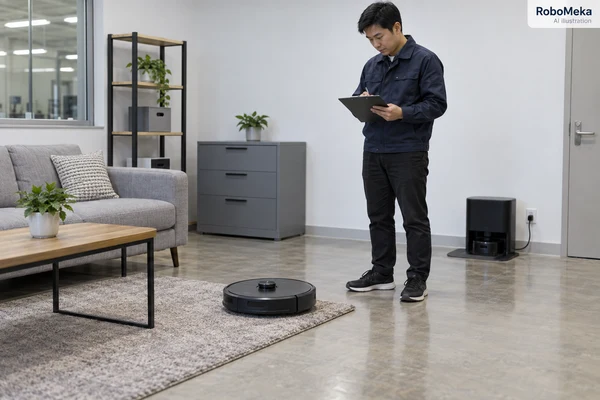
Structure feasibility, sample iterations, application testing and change control before committing a cleaning product to production.
Buyer perspective
A useful development brief explains the user, task, operating environment, essential functions, destination market, target cost and service expectations. It separates must-have requirements from preferences and untested ideas.
Development decisions should remain traceable from the requirement through sample observations and production release. When a component, supplier, firmware or accessory changes, the affected evidence should be reviewed again.
Send your project requirements →Decision areas
Convert application needs into reviewable functions, constraints, interfaces and acceptance questions.
Identify platform fit, technical dependencies, safety boundaries, tooling, software and evidence gaps.
Record the configuration, findings, deviations and next decision for each prototype or pre-production sample.
Freeze the approved state and define which later changes require notification or re-evaluation.
Working sequence
Provide application conditions, desired functions, target users, market, quantity range and launch priorities.
Separate available platform features from changes requiring engineering, tooling, software or additional verification.
Use identified samples and a written protocol to record performance, usability, maintenance and recovery observations.
Release controlled specifications, work instructions, checks and change triggers for the intended production stage.
Evidence checklist
This list is a planning aid, not a claim that every document already exists for every product. Confirm scope and availability before relying on evidence.
Continue your review
Common questions
No. Feasibility depends on the selected platform, interfaces, safety implications, tooling, software and project scope. Review requirements before assuming availability.
There is no universal number. The project should continue until the agreed risks and open decisions are resolved for the intended release stage.
No. This page describes a development workflow and makes no patent, ownership or exclusive-technology claim.